Class of 2034 Embroidery Design
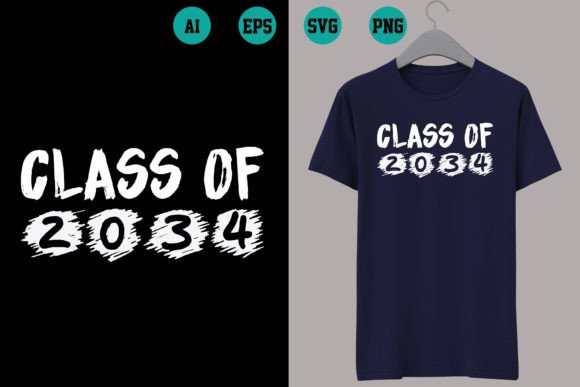
As a designer who’s spent years working with machine embroidery designs, I always start by asking: does this design feel like it was made for real-world use? Class of 2034 immediately caught my attention as a back-to-school t-shirt design that could work across multiple projects. The clean, modern layout and bold typography make it versatile enough to fit into a range of applications, from custom apparel to personalized gifts.
First Impressions: A Design That Speaks to the Moment
The visual personality of Class of 2034 is straightforward but impactful. It has a youthful, nostalgic vibe that fits perfectly with back-to-school themes. The layout is balanced, with clear spacing between elements, making it easy to read and visually appealing. The design doesn’t try to be overly complex, which is a big plus when working with smaller hoop sizes or delicate fabrics.
From an embroidery perspective, the shapes are well-defined and suitable for both satin stitch and fill stitch techniques. The color changeability and vector scalability mean it can be adapted for different fabric types and project needs without losing quality. This makes it a strong candidate for small business owners looking to offer customizable options to their customers.
Real-World Use: How Class of 2034 Performs in Practice
Testing Class of 2034 on a sample tote bag design gave me a good sense of how it would translate to actual projects. The design holds up well on medium-weight cotton, with clear stitching and minimal distortion. For a handmade product or Etsy listing, this level of detail is essential—customers expect consistency and professionalism.
When used on sweatshirts or t-shirts, the design maintains its integrity, especially with proper stabilizer. However, I’d recommend testing it on stretchy or thin fabrics first. The design isn’t overly dense, so it shouldn’t cause puckering or strain on the garment, but careful attention to thread color contrast is important, especially on dark backgrounds.
For baby items or nursery decor, Class of 2034 could work well if simplified slightly. The details are fine enough that they might not show up clearly on very soft or textured fabrics. But as an embroidered patch or applique design, it could add a nice touch to a child’s backpack or pillow cover.
Where to Be Cautious: Limitations and Considerations
While Class of 2034 is generally user-friendly, there are a few areas where extra care is needed. On small hoop sizes, the design may require splitting into sections, which could complicate the stitching process. If you're working with curved surfaces like caps or hats, the corners might not come out as sharp as on flat surfaces.
For products that need frequent washing, such as kitchen towels or aprons, the design should hold up well if properly stabilized. However, I’d advise checking the stitch density to ensure it’s not too heavy, which could lead to wear over time. Tiny lettering or intricate details might also be challenging on certain fabrics or when using a running stitch.
Impact on Visual Appeal and Customer Perception
Class of 2034 adds value to any finished product by offering a clean, recognizable design that feels professional. As an embroidery file, it can elevate a handmade product or boutique item, giving it a polished look that appeals to buyers looking for something unique yet familiar.
From a branding standpoint, this design could work well for small shops or craft businesses that want to maintain a consistent aesthetic. Its versatility allows it to be used across multiple products, from t-shirts to personalized gifts, making it a valuable addition to any digital product library.
Practical Tips for Using Class of 2034
Before committing to a full project, I always recommend testing the design on scrap fabric. This helps identify any issues with stitch density, thread color contrast, or stabilizer requirements. If you’re planning to sell finished items, double-check the licensing terms to ensure you’re compliant with any restrictions.
For commercial embroidery projects, consider how the design will look in black and white mockups. This can help you visualize how it will appear on different fabric colors and textures. Also, review the file formats provided—AI, EPS, SVG, and PNG files are all useful for different stages of the design process.
Final Thoughts: A Solid Choice for Back-to-School Projects
Class of 2034 is a practical, adaptable design that works well for a variety of embroidery projects. Whether you're creating custom apparel, personalized gifts, or small shop merchandise, it offers the flexibility and quality needed for real-world use. With some thoughtful preparation and testing, it can become a reliable asset in your creative workflow.